product designer • Caravelo • design system • 2023
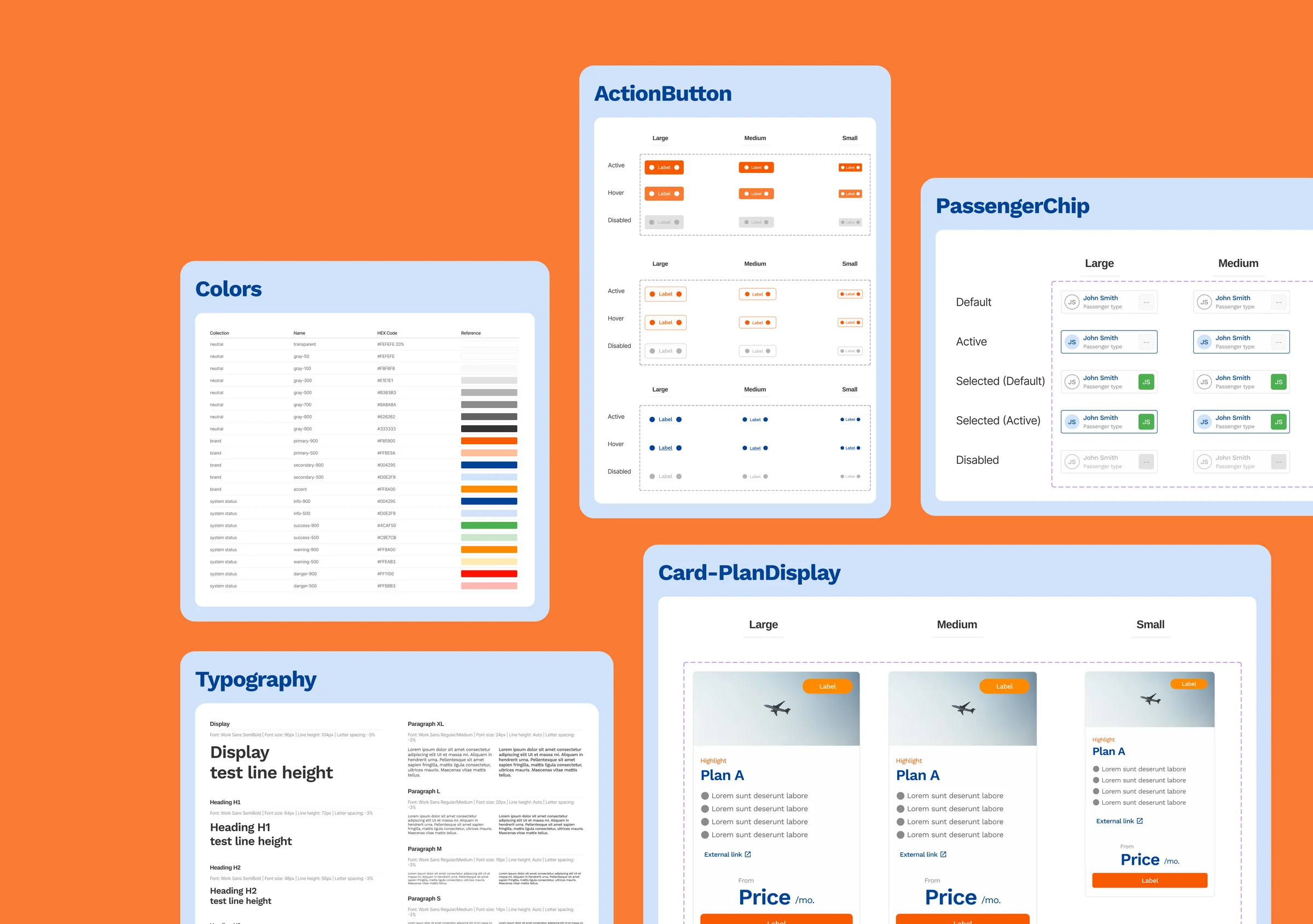
multi brand design system
Building Caravelo’s master design system to speed up launches and make client customisation seamless.
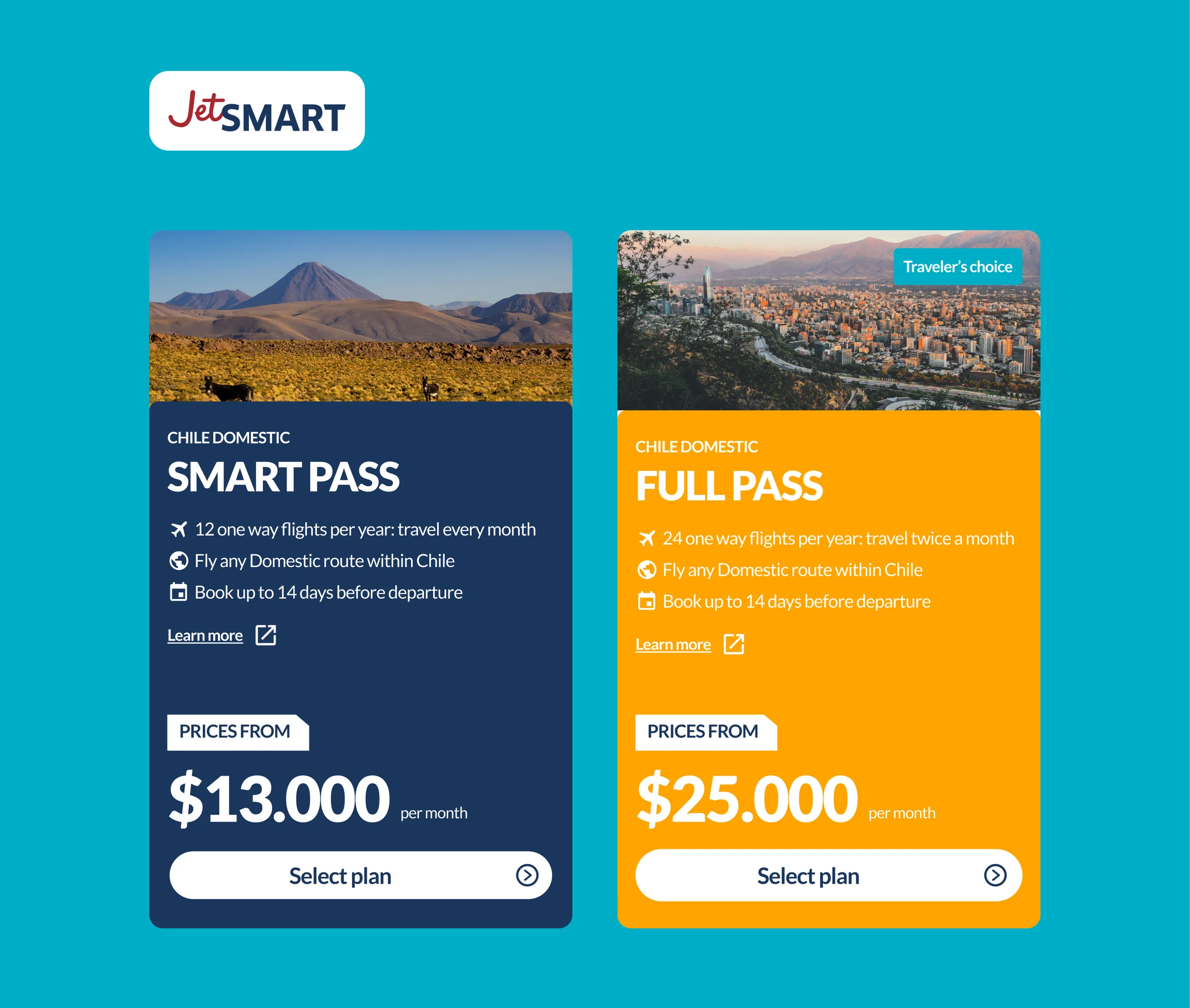
Faster setup of client component libraries
Components
Styles
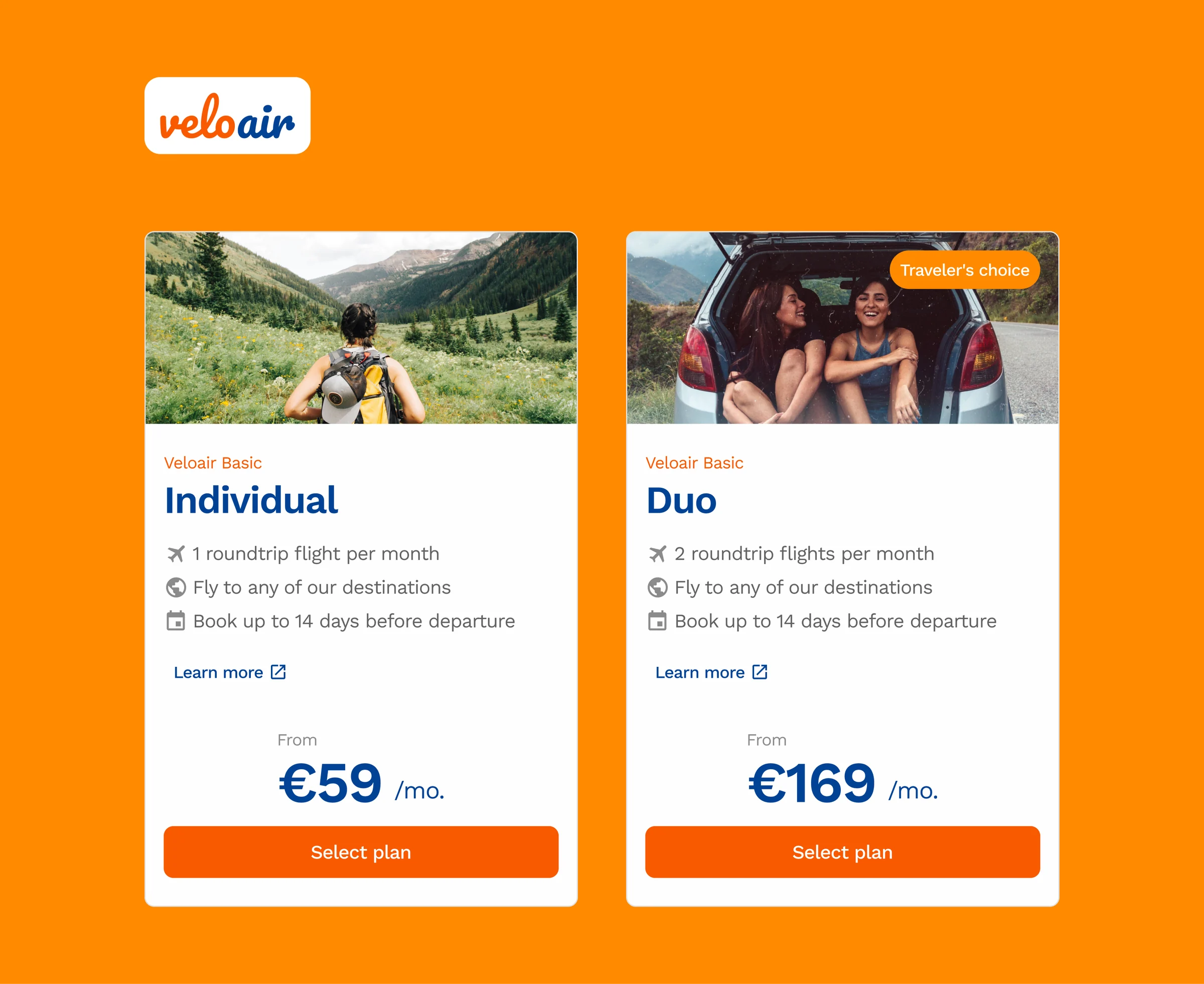
Subscription products powered by the same components
tl;dr
Caravelo sold the same core subscription products to multiple airlines, but every launch meant manually restyling components to match each client’s brand. I designed and owned Veloair, Caravelo’s master design system: a single source of truth of 70+ components and 30+ styles, built with an atomic methodology and fully responsive, that can be duplicated and rebranded for each client without rebuilding interfaces. It cut the time to set up a fully styled client library from 5 working days to 1, and engineering adopted the same modular logic in its front-end libraries.
overview
Caravelo builds white-label subscription products for airlines. The core product is the same for every client — only the branding changes.
But each new launch meant redesigning and restyling components by hand to match the client’s identity. That repetitive work slowed delivery and introduced inconsistencies for both the team and clients.
The goal
Create a scalable design foundation that reduces delivery effort while keeping full brand flexibility for each client.
problem
I interviewed front-end developers and measured time-to-delivery for client launches to understand where time and consistency were being lost across design and engineering.
- High delivery overhead — significant time went into recreating and styling components for every new client launch.
- Workflow inefficiencies — manual handoffs and duplicated effort created friction between design and engineering.
- Scalability gap — since every product shared the same functional foundation, redesigning it each time added little value, pointing clearly to the need for a reusable system.
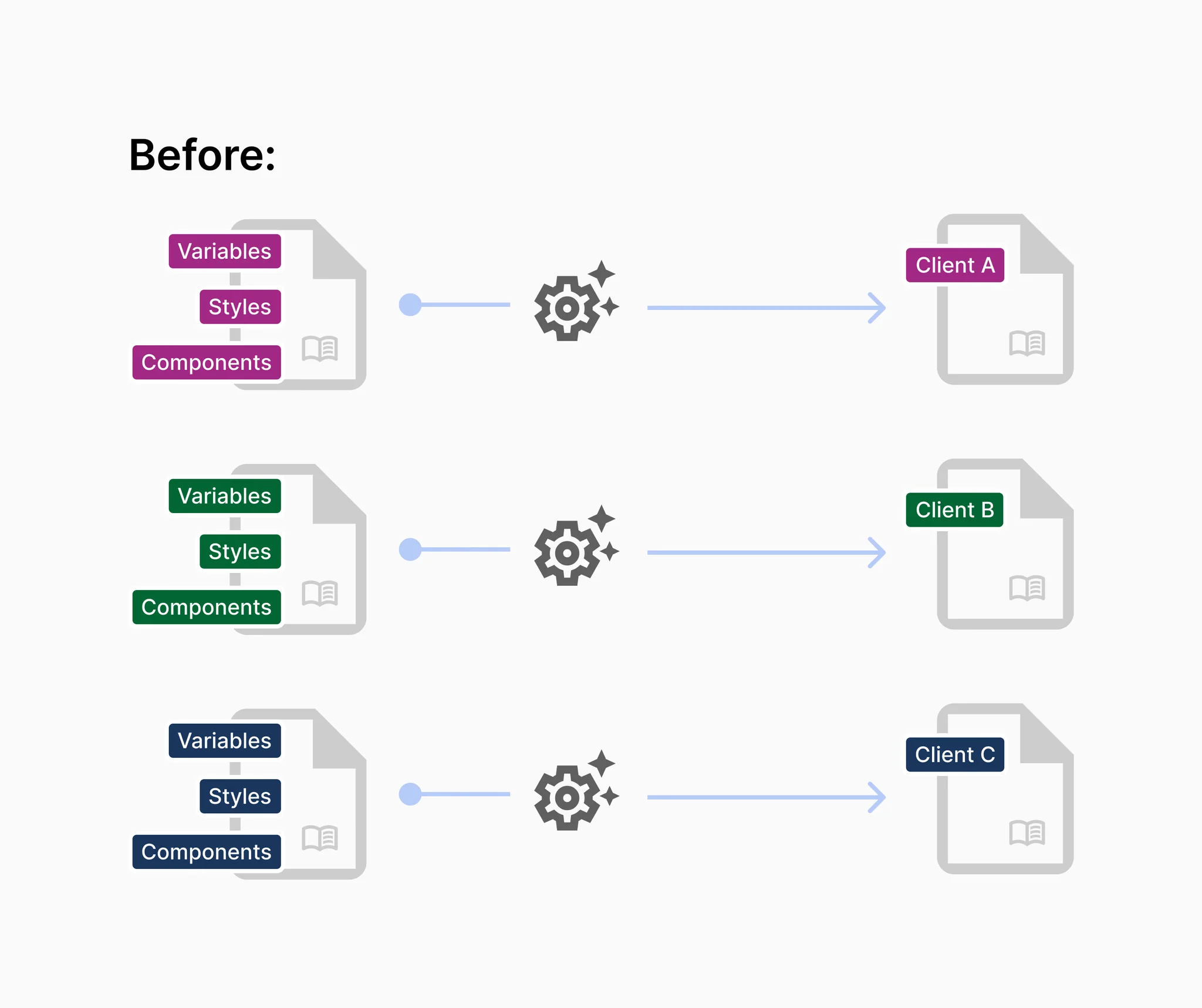
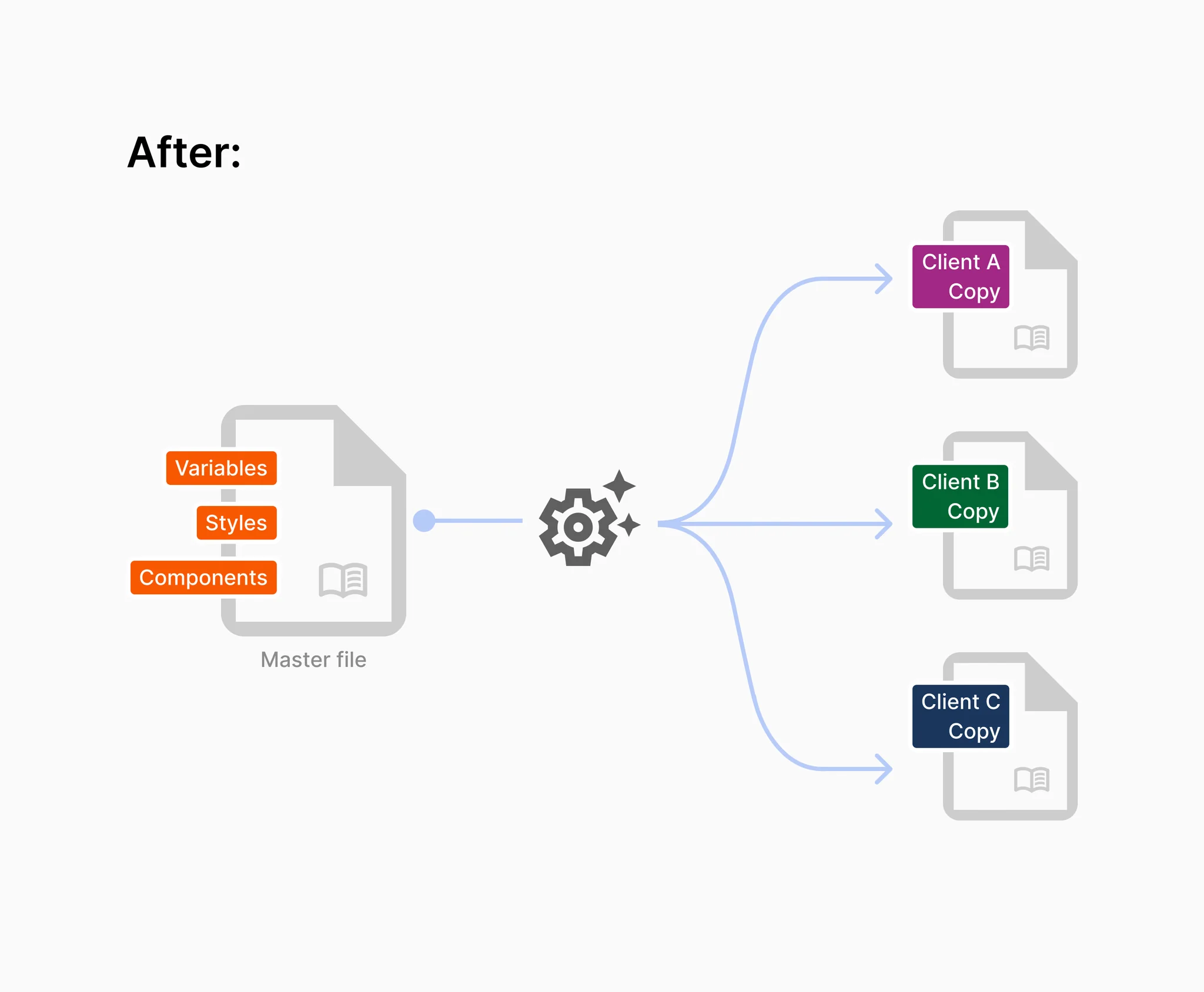
discovery
I owned the system end to end, working alongside front-end engineers, PMs, and the CPO. I audited the existing design files across clients, and researched other multi-brand design systems for patterns and inspiration on structuring components and theming.
Hypothesis: build once, brand many times
If structure and styling are separated — components defined once, brand expressed through styles — a new client library becomes a rebranding exercise, not a rebuild.
design decisions
Veloair was built around four principles:
-
Reusability
Modular components, built with an atomic methodology, minimise duplicated effort across launches.
-
Brand flexibility
Client identity is applied through 30+ shared styles, so customisation never compromises structure.
-
Consistency
A single source of truth aligns design and development around shared standards.
-
Scalability
Fully responsive components support future client launches with minimal redesign, and power three different subscription products: All-You-Can-Fly, trip subscriptions, and discount clubs.
impact
-
80% faster component setup
Building a fully styled client component library went from 5 working days to 1.
-
Cross-functional adoption
Engineering adopted the same modular logic, leading to reusable, customisable front-end libraries.
-
More efficient delivery
Less repetitive work and smoother collaboration between design and development teams.
-
Higher product consistency
A single source of truth for component definitions improved alignment and overall product quality.
see other projects
couple onboarding
See project →
travel search component
See project →
subscription management
See project →want to connect?
whatsapp, email, or linkedin — whatever's easiest for you